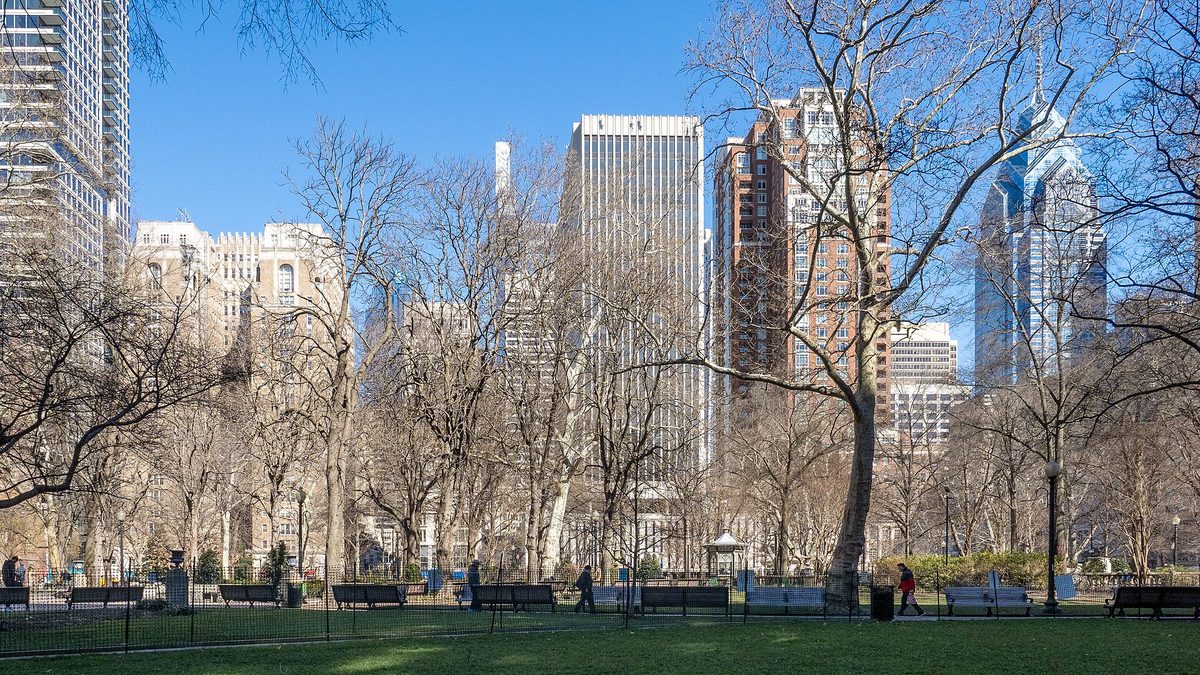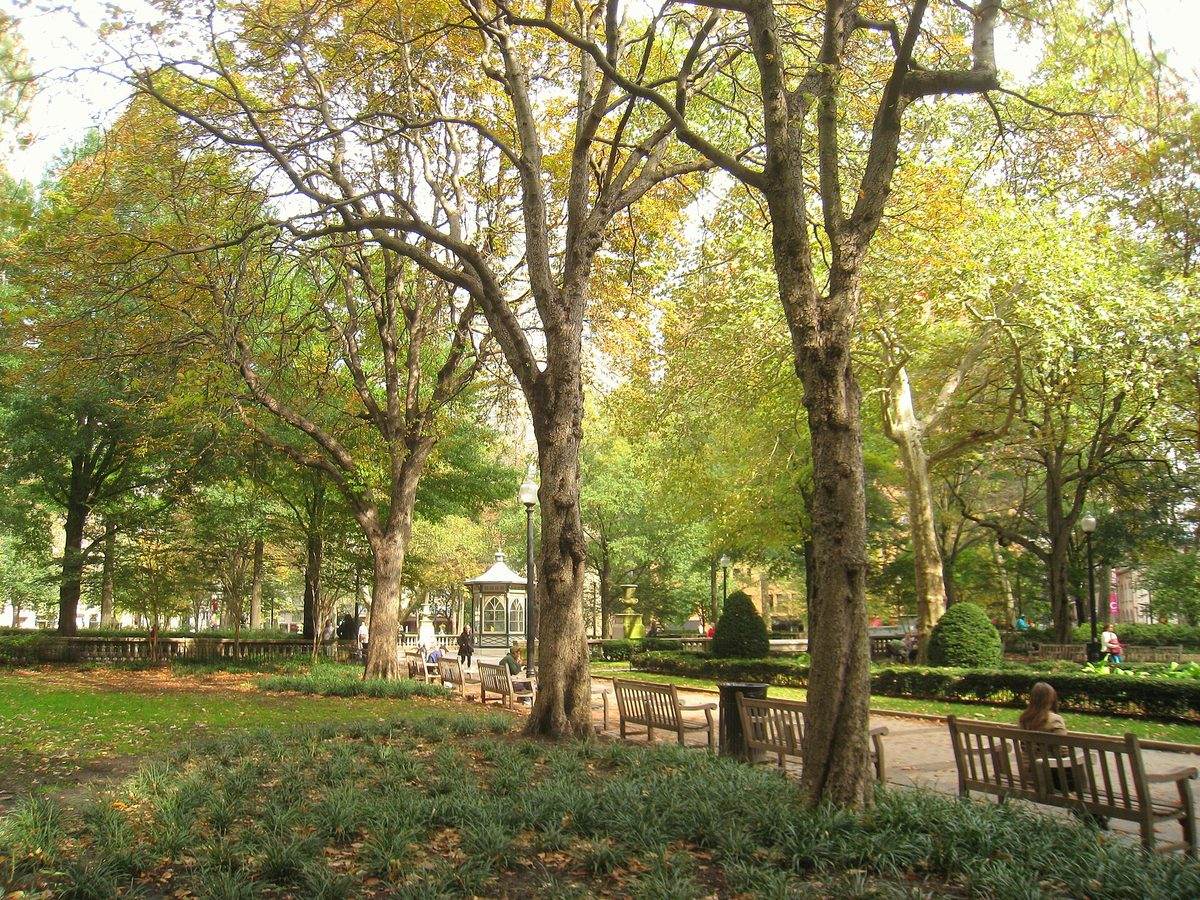
High-rises, trinities, and everything in between
Center City housing splits two ways. High-rise condos and loft conversions from Rittenhouse to Washington Square West, and historic rowhomes and trinities in Society Hill, Fitler Square, and the side streets off Pine and Spruce. A trinity is three stories, one room per floor, connected by a spiral stair that a sofa cannot be carried up. Greater Center City holds 210,710 people, up 28% from 2011 to 2024, and the core grew another 4% in 2025 alone.
For the loan, the split matters. A trinity or a Society Hill rowhome is a standard single-family mortgage with an appraiser who needs trinity comps, which exist. A condo is a loan on a unit plus an underwriting review of the whole building, and the building is where deals go sideways. The condo loan page covers the review.
What it costs
Redfin’s Center City median was $550,000 over the three months ending May 2026, up 7.8% from a year earlier. Rittenhouse ran $447,000 in the same window, and the 584 condos on the market listed at a $410,000 median, taking about 70 days to sell. There’s a lot of inventory downtown by Philadelphia standards, and buyers have time to read the documents.
At $550,000, Philadelphia’s 4.578% transfer tax is $25,179, with your customary half at $12,590. Property tax is 1.3998% of assessed value; with the $100,000 homestead exemption, a unit assessed at $550,000 runs about $6,300 a year. On top of that sits the condo fee, which the lender counts in your debt-to-income ratio the same way it counts a car payment, so a large monthly fee shrinks your loan amount before you’ve toured a single unit. The transfer tax guide covers who pays what.
Warrantable or not
A conventional lender will fund a condo only if the building is warrantable: enough owner-occupants, no single entity holding too many units, adequate reserves, no litigation that threatens the association, and a commercial share under the cap. FHA lends only in buildings on its approved list or through a unit-by-unit review, and plenty of Center City buildings aren’t on the list. The lender sends the association a questionnaire; the association charges for it and takes its time. Non-warrantable buildings can still be financed, with larger down payments and portfolio lenders, and we know who does it.
Ask for the budget, the reserve study, the master insurance certificate, and the questionnaire in the first week. Read the abatement status too: conversions permitted after January 1, 2022 get a ten-year abatement that steps down 10% a year, and 2010s conversions are expiring now, so the year-three tax bill can sit far above the year-one bill. The abatement guide has the schedule. The Wanamaker Building conversion starting in 2026, about 650 apartments around City Hall, is the largest change to Market East in a generation, and it’s rentals, so it won’t add to the questionnaire pile.
When it’s jumbo
The 2026 conforming limit is $832,750. Society Hill rowhomes and the upper floors of Rittenhouse towers regularly clear it, which puts them in jumbo loan territory: stronger credit, more reserves, and sometimes a second appraisal. Under the limit, a conventional loan at 3% to 5% down works on a warrantable unit, and FHA’s $630,200 limit covers most listings near the $410,000 condo median if the building qualifies.
Programs downtown
Philly First Home excludes condos, which rules it out for most of Center City. It still works on a trinity or a rowhome for first-time buyers under the income limit ($85,900 for one person, $122,700 for four), and the counseling has to be done before you sign the Agreement of Sale. PHFA’s Keystone Home Loan reaches up to $730,600 in Philadelphia and pairs with K-FIT’s 5% forgivable second; Keystone Flex has no first-time rule and a $212,000 income cap. Details on the PHFA guide.
The condo questionnaire is the document that kills Center City deals. Ask the listing agent whether the building has closed a conventional or FHA loan in the last year. If the answer is a long pause, budget extra time and a bigger down payment.
Reading Terminal, the wage tax, the trains
Reading Terminal Market was named the best public market in America for the third time in April 2026, and a block of Filbert Street became a pop-up plaza with a bar this summer. Suburban and Jefferson stations put every Regional Rail line at your feet, and SEPTA’s fiscal 2027 budget carries no fare hikes or service cuts. The city wage tax stepped down on July 1, 2026, the first of five annual cuts. Center City has $1.2 billion in development activity underway, and the Penn’s Landing cap park over I-95 opens in 2027. Parking is priced like a second condo fee, which is one more reason the Regional Rail number matters.
Start with one call
Send us the building name. The lender who calls you back does Center City condos, knows which buildings are warrantable, and puts the condo fee and the abatement schedule into your estimate before you offer. Call us.